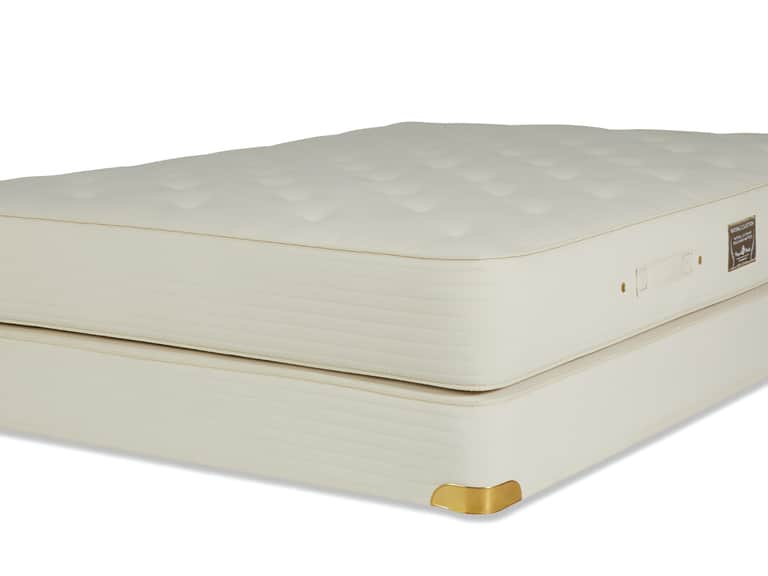
Mattresses provide the supportive foundation of bedding, influencing comfort, pressure distribution, and temperature regulation during sleep. Their construction may combine natural fibers, latex, cotton, or wool to create distinct feel and support characteristics. Understanding these materials helps people compare organic mattresses and identify options suited to different sleep preferences and household needs.
The Savvy Rest Pastoral Wool Mattress features wool as a key component, offering a natural cushioning layer and helping moderate warmth and moisture around the sleeper. Wool’s resilient fibers can contribute to a comfortable sleep surface while supporting airflow. These characteristics make wool mattresses relevant for people seeking bedding made with natural materials.
The Royal-Pedic Natural Cotton Mattress with Wool Wrap combines a cotton mattress construction with an outer wool layer. Cotton provides a familiar, breathable foundation, while wool adds cushioning and helps manage temperature and moisture. This pairing illustrates how natural materials can serve complementary functions in a mattress without relying solely on synthetic padding.
Mattress selection also depends on firmness, body support, sleeping position, and the needs of the person using it. Latex mattresses, for example, are valued for responsive support, while wool and cotton offer different cushioning and breathability properties. In nursery settings, mattress fit, firmness, materials, and applicable safety guidance are especially important considerations.
Mattresses are part of a broader bedding system that includes pillows, sheets, and protective layers, all of which can affect comfort and care. Comparing materials, construction, and intended use helps clarify how each component performs. For households considering organic mattresses, product descriptions can help identify natural fibers and understand their role in everyday sleep.
 Mattresses