Choosing an Organic Wool Comforter: Brand Comparisons and Material Insights
A thoughtful guide to understanding organic wool comforters, how certification shapes quality, and how to compare offerings from Sleep and Beyond, Savvy Rest, Suite Sleep, and other notable makers. This article synthesizes material science, sourcing integrity, and practical care to help readers select a warmth level that suits their sleep, climate, and values.
The case for organic wool in beds: material science and sleep physics
Organic wool comforters sit at the intersection of comfort, performance, and responsible sourcing. Wool—the naturally crimped, resilient fiber—offers a triad of properties that matter in a sleep layer: temperature regulation, moisture management, and loft stability. In practice, these traits translate into a comforter that breathes with the body, wicks away perspiration, and maintains a consistent feel across seasons.
From a fiber physics perspective, wool fibers trap air within their crimp, creating microcapsules of insulation that adapt to interior and exterior temperature changes. When you move during sleep, the loft of a wool comforter helps distribute weight evenly and respond to shifting pressure points. The humidity-handling capacity of wool, aided by its natural lanolin chemistry, contributes to a surface that remains comfortable rather than damp or clammy. Organic certification amplifies these advantages by ensuring the fiber and finish meet environmental and health standards that many sleepers now expect in their bedding.
For readers seeking a durable, long-term sleep layer, organic wool toppers and comforters offer a compelling combination: the warmth you want with the breathability your body needs—and with a dedication to clean, chemical-free sourcing that can fit a broader sustainability mindset.
Certification and shell: what to look for beyond warm loft
Certification matters because it signals provenance and chemical safety. The most common standard in this space is GOTS—Global Organic Textile Standard—which covers both the wool filling and the organic cotton shell. When a comforter advertises GOTS certification, it typically means the wool was processed and the fabric was finished in facilities meeting stringent ecological and social criteria. The presence of both GOTS wool and GOTS cotton in a product reduces concern about synthetic additives entering the sleep environment.
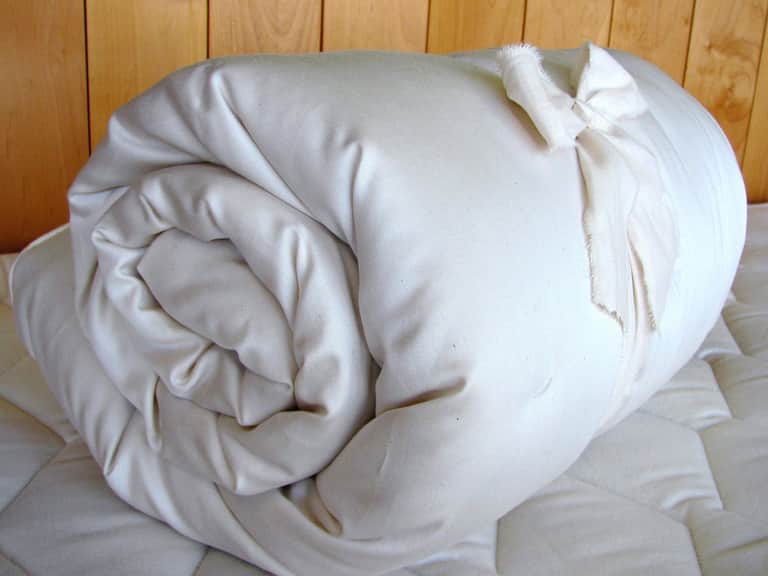
Beyond certification, readers should consider shell fabric: the cotton sateen or percale in contact with skin should feel soft, durable, and breathable. The stitching pattern—hand-tufted, corner-tied, or edge-stitched—affects how evenly the wool stays distributed. A well-tufted design keeps loft uniform, preventing cold spots or clumping, while corner ties help secure the duvet inside a cover for a tidy, consistent feel night after night.
Care instructions also matter. Many organic wool comforters are designed for low-maintenance care, but some require sun-refreshing or spot cleaning rather than machine washing. This distinction influences long-term usability, especially for households with busy rhythms or shared beds where washing frequency is a practical concern.
Brand landscape: what matters when you compare Sleep and Beyond, Savvy Rest, and Suite Sleep
When evaluating organic wool comforters, the market presents a spectrum of design choices and material commitments. Three brands frequently cited by bedding enthusiasts—Sleep and Beyond, Savvy Rest, and Suite Sleep—offer distinct approaches to wool-filled warmth, with overlapping standards and practices that reflect broader industry norms.
Sleep and Beyond emphasizes wool as a core insulating medium, pairing it with organic cotton shells to deliver a breathable, year-round surface. The brand often highlights the breathability and temperature regulation that wool provides, while maintaining a focus on the durability of the fabric and the loft of the wool fill. This combination appeals to sleepers who value a natural sleep environment without synthetic heat-trapping layers.
Savvy Rest has built a reputation for customization and a modular approach to pillows and comforters. Its wool-filled products frequently feature a customizable fill strategy, enabling sleepers to adjust loft and firmness by adding or removing wool puffs. This flexibility is paired with GOTS-certified wool and organic cotton casing, aligning with a consumer preference for tailor-made comfort and transparent material sourcing.
Suite Sleep emphasizes ease of care and seasonal temperature balance, offering a range of comforters with wool fillings that address both weight and warmth. Its products often stress machine-washable options or care-friendly designs, which are attractive for households seeking straightforward laundry routines without sacrificing the warmth and breathability wool provides.
Key decisions: warmth level, weight, and care considerations
- Warmth level: Wool comforters come in light, midweight, and all-season configurations. Light options suit warmer climates or sleepers who prefer a little air flow; midweight and all-season formulations provide more consistent warmth for cooler rooms or people who run cool at night.
- Weight and fill: Density of the wool fill affects both warmth and how the duvet drapes. A denser fill yields more insulation and a more substantial hand, while a lighter fill offers a softer, airy feel. Some products provide a double-layer or dual-weight design that can be useful for temperature regulation across seasons.
- Shell fabric: A tightly woven organic cotton shell helps prevent abrasion and pilling, while a softer sateen feels luxurious against skin. The balance between shell weight and wool loft determines the overall comfort.
- Care and longevity: Machine-washability varies. Some comforters are designed to be spot-clean or air-dried; others may be machine washable with special care cycles. Consider care needs in the context of your household routine, allergies, and laundering capabilities.
- Sustainability and ethics: Certification status, farm provenance, and processing methods matter to ethically minded readers. A product that clearly discloses wool sourcing from a cooperative or certified organic farm often aligns with a broader commitment to animal welfare and environmental stewardship.
Practical guidance: selecting an organic wool comforter for your bedroom
To translate theory into practice, consider the following approach:
- Assess your climate and sleep temperature: If you sleep hot or reside in a warmer climate, a lighter wool comforter or a dual-weight option with removable layers may be ideal. For cooler rooms, all-season or midweight configurations often provide the most versatile warmth without overheating.
- Match to your duvet cover and bed setup: Choose a comforter whose shell color and finish complements your bedding ecosystem. Ensure that the dimensions align with your mattress depth and duvet cover size, supporting a snug fit and preventing shifting during use.
- Consider allergen and sensitivity concerns: Wool itself is naturally hypoallergenic and breathable, but a buyer should verify the absence of chemical finishes beyond certification standards. Certified products reduce risk for sensitive sleepers.
- Plan for maintenance: If you prefer easy care, look for machine-washable options or those with care instructions that suit your laundry routine. If you opt for spot-clean-only designs, factor in how often you will refresh loft through sunning and occasional airings.
- Evaluate longevity and price: Organic wool products often command premium pricing, justified by long-lasting loft and the quality of materials. Consider purchasing the best-weighted option you can reasonably maintain, recognizing that higher-quality wool often yields a longer-lived sleep companion.
Representative product notes from credible offerings
Within the current market landscape, a handful of products stand out for their adherence to organic standards, thoughtful construction, and practical care guidance. The following notes illustrate how real products align with the principles discussed above, without overstating claims or misrepresenting capabilities.
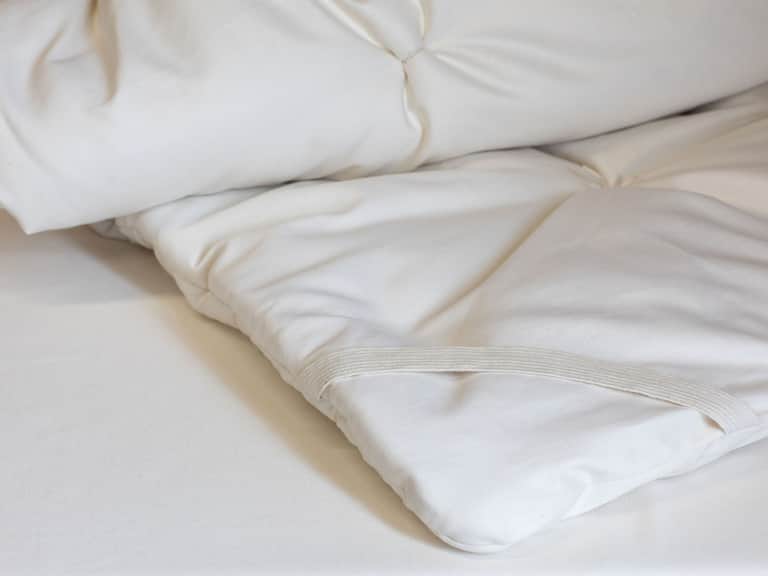
- Natural Child's Crib Mattress Topper — This handmade quilted topper uses 100% organic cotton sateen and Premium Eco Wool batting. Corner elastic straps secure it to the crib mattress, ensuring stability under a fitted sheet. The combination supports a breathable sleep surface and hypoallergenic properties, crafted with care to meet GOTS-certified sourcing for the wool and cotton components.
- Certified Organic Crib Mattress Topper — Another product in the crib category, similarly designed to secure with corner straps and hand-tufted wool to prevent shifting. The sourcing emphasizes GOTS certification for both shell and fill, reinforcing a commitment to organic integrity in a sleep-critical environment for infants.
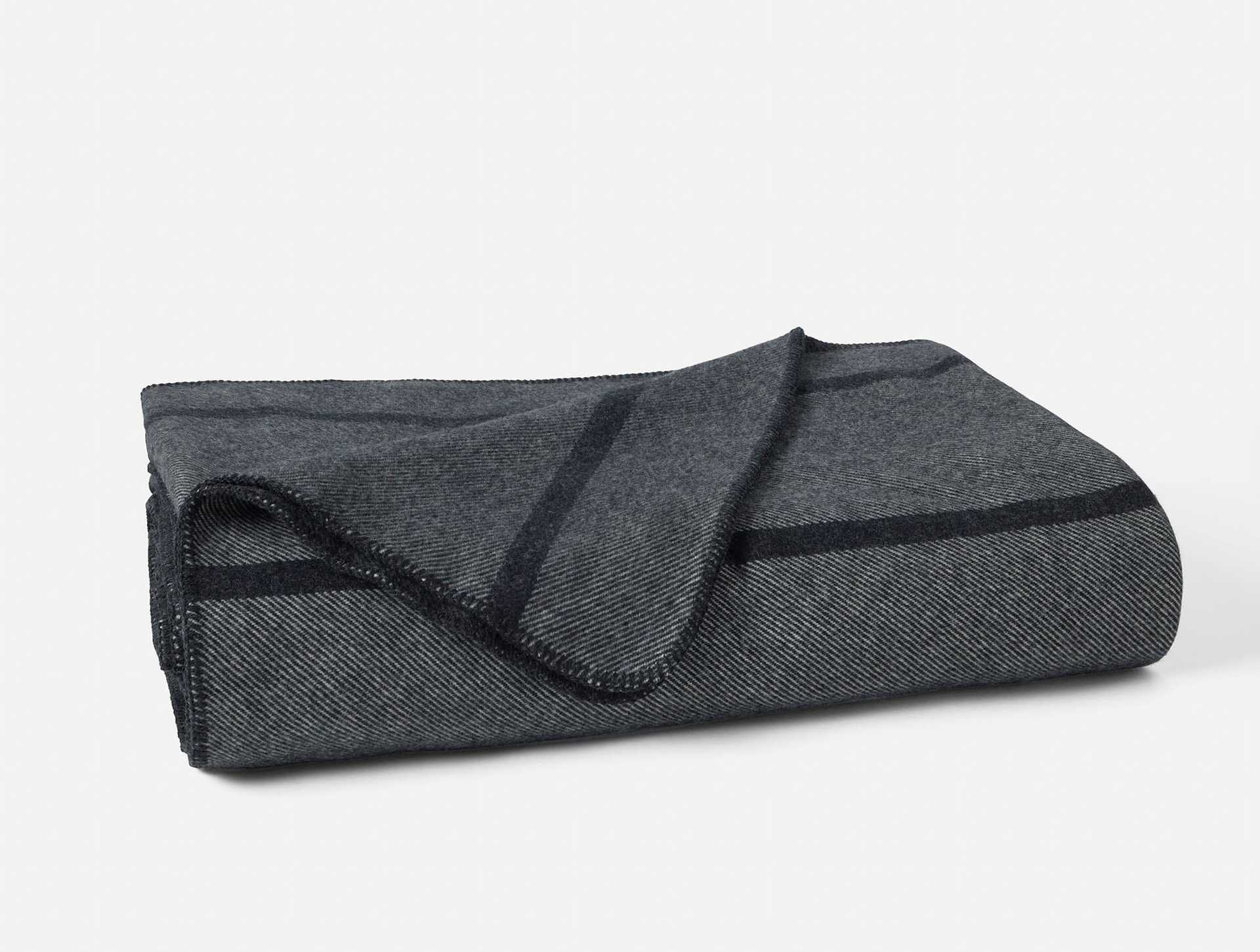
- Tahoe Wool Blanket — A premium blanket constructed from NATIVA Regen-Shaniko wool, fully traceable and U.S.-raised, woven in a historic American mill. The brushed finish provides a soft handfeel, balancing warmth with a refined aesthetic that suits living rooms and bedrooms alike. The care guidance notes dry cleaning to preserve texture and color over time, signaling a long-term approach to maintenance.
- Other robust offerings include all-season wool comforters, dual-weight designs, and toddler-friendly options with GOTS-certified wool and organic cotton shells. Each product typically emphasizes hand-tufted construction to secure wool loft and corner ties to stabilize the duvet within a cover.
Conclusion: the thoughtful path to organic wool comfort
Choosing an organic wool comforter is not merely selecting a warmth source; it is an investment in a sleep ecosystem that reflects values, health considerations, and daily practicality. Certification matters, but so do the tactile experiences—the softness of the fabric against skin, the loft of the wool, and the effortless fit of the duvet within a cover. Brand differences matter less than the alignment of your choices with your climate, your care routines, and your preference for natural materials.
For readers navigating this market, the guiding principle is clarity: demand transparent sourcing, verify the certifications claimed, and select a warmth and care profile that fits your life. In a world increasingly thoughtful about materials, the organic wool comforter stands as a testament to the durable intersection of comfort, ethics, and enduring craftsmanship.
Note: This article adheres to the topic scope of organic wool comforters and brand comparisons, with sourcing reflections that reflect publicly documented product details. No individuals are described beyond their public, verifiable associations with brands or standard industry practices.